MILLENNIUM HEALTH / LEADERSHIP STORY

FROM IDEA TO
EXECUTION.

Digital strategy works better when the person shaping the idea understands what it will take to design it, build it, and make it useful for the people on the other side of the screen.

2010–2015   /   WEB + APPLICATIONS   /   STRATEGY + UX + EXECUTION

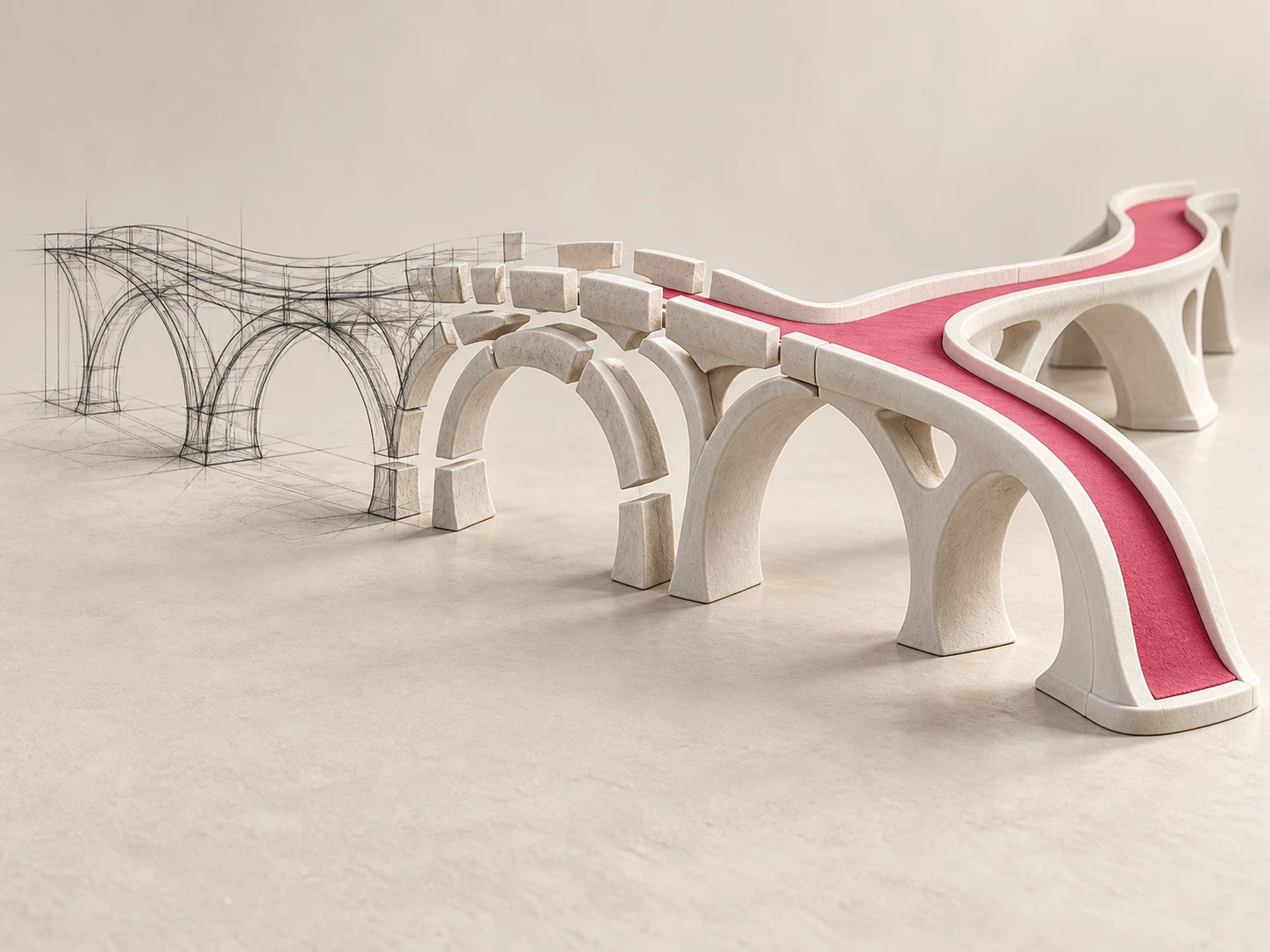
Conceptual bridge transitioning from plans into a completed structure

Know enough to ask better questions.

01 / THE STORY

THE IDEA WAS
ONLY THE START.

At Millennium Health, digital projects often began with a business need, an opportunity, or an idea that had not yet been translated into a clear digital experience.

My role sat at the intersection of strategy, design, development, and usability. I helped determine what we should build, what was technically realistic, how people would use it, and how the idea could move from conversation to execution.

That meant working across websites, applications, user experiences, and broader digital initiatives while collaborating with teams that approached the problem from very different perspectives.
The value wasn’t simply knowing how to build. It was knowing enough about the work to make better decisions before the build began.

Unfinished bridge with structural supports ready to close the gap

02 / THE CHALLENGE

GOOD IDEAS
AREN’T ENOUGH.

A strong concept can still become the wrong solution if feasibility, user behavior, technical constraints, and execution are considered too late.

The challenge was turning business goals into digital experiences that were useful, achievable, and aligned with what the organization actually needed.

03 / WHAT I SAW

STRATEGY NEEDED
THE BUILD.

The best digital decisions happen when strategy and execution are not treated as separate conversations.

Understanding design and development made it possible to challenge assumptions earlier, identify unnecessary complexity, see technical risks before they became expensive, and find simpler paths to the same business outcome.

Technical fluency wasn’t the strategy. It made the strategy better.

Exploded architectural model aligning a design with its foundation

04 / WHAT I DID

CONNECTED
THE DOTS.

I worked across the full digital problem: clarifying goals, evaluating feasibility, shaping user experiences, designing interfaces, supporting development, and helping teams understand the tradeoffs behind different approaches.

I translated between business stakeholders, creative thinking, and technical execution so decisions could be made with a clearer understanding of both the opportunity and the work required to realize it.

When needed, I could move beyond recommendations and directly contribute to the design and development itself.

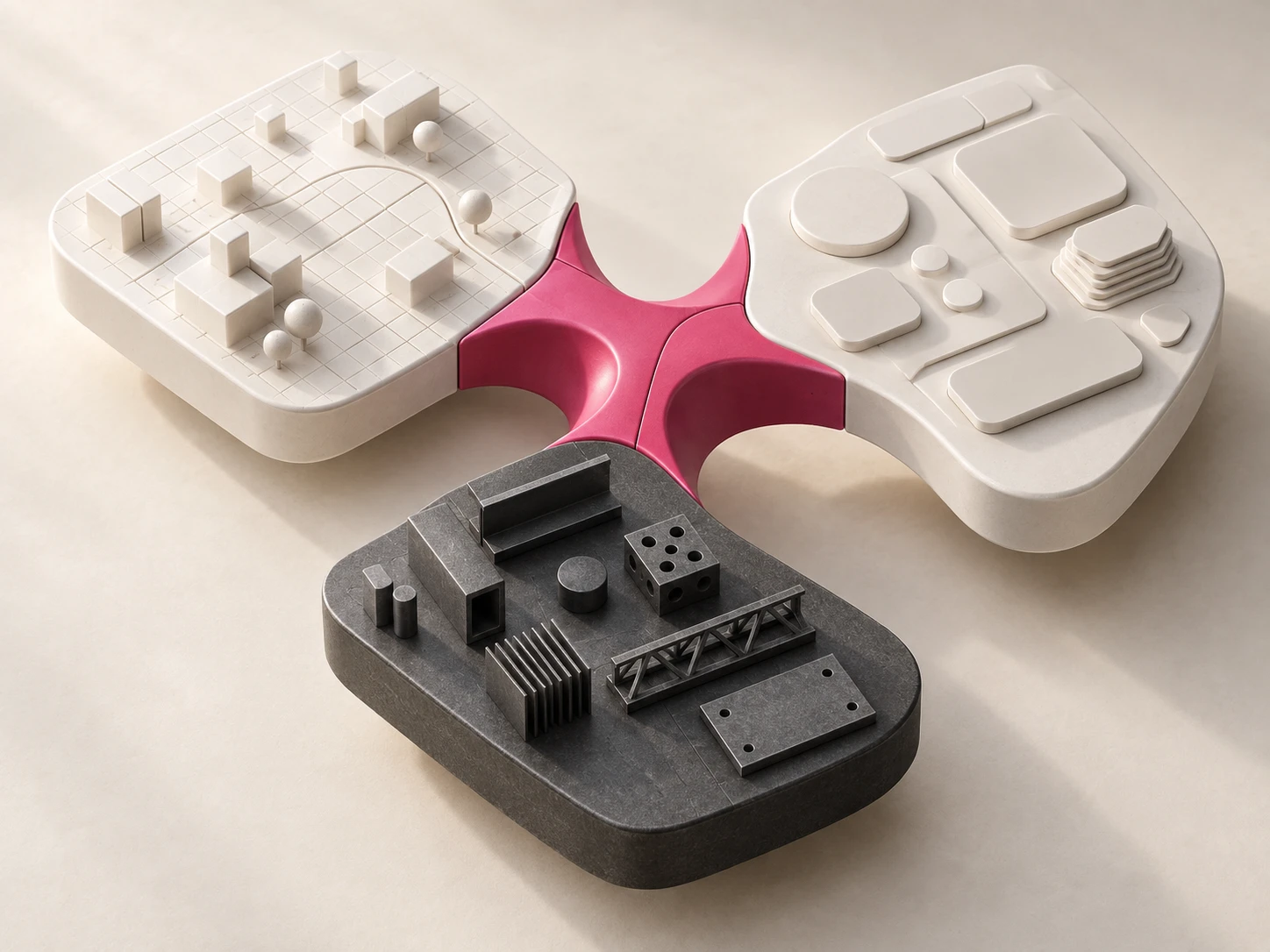
Planning, interface design and engineering connected by a pink junction

FROM STRATEGY TO EXECUTION

ASK. TEST. DESIGN.
DELIVER.

Good digital leadership means understanding enough of every discipline to ask the questions that improve the decision before time and money are committed.

01

ASK BETTER QUESTIONS

Clarify the business goal, audience, desired behavior, constraints, and definition of success before jumping into a solution.

02

TEST FEASIBILITY

Evaluate complexity, technical realities, available resources, and tradeoffs early enough to influence the direction instead of reacting later.

03

DESIGN FOR PEOPLE

Translate organizational goals into clear interfaces, journeys, interactions, and experiences that make sense to the people actually using them.

04

CARRY IT THROUGH

Stay connected to execution so the original strategy survives design decisions, technical realities, revisions, and the details required to launch.

05 / THE OUTCOME

BETTER DECISIONS.
STRONGER WORK.

Across websites, applications, and digital initiatives, I helped move projects from early ideas into experiences that could actually be designed, developed, and used.

The ability to operate across strategy, UX, creative, and technology reduced the distance between the people defining the problem and the people responsible for solving it.

That experience became foundational to how I approach digital leadership today.

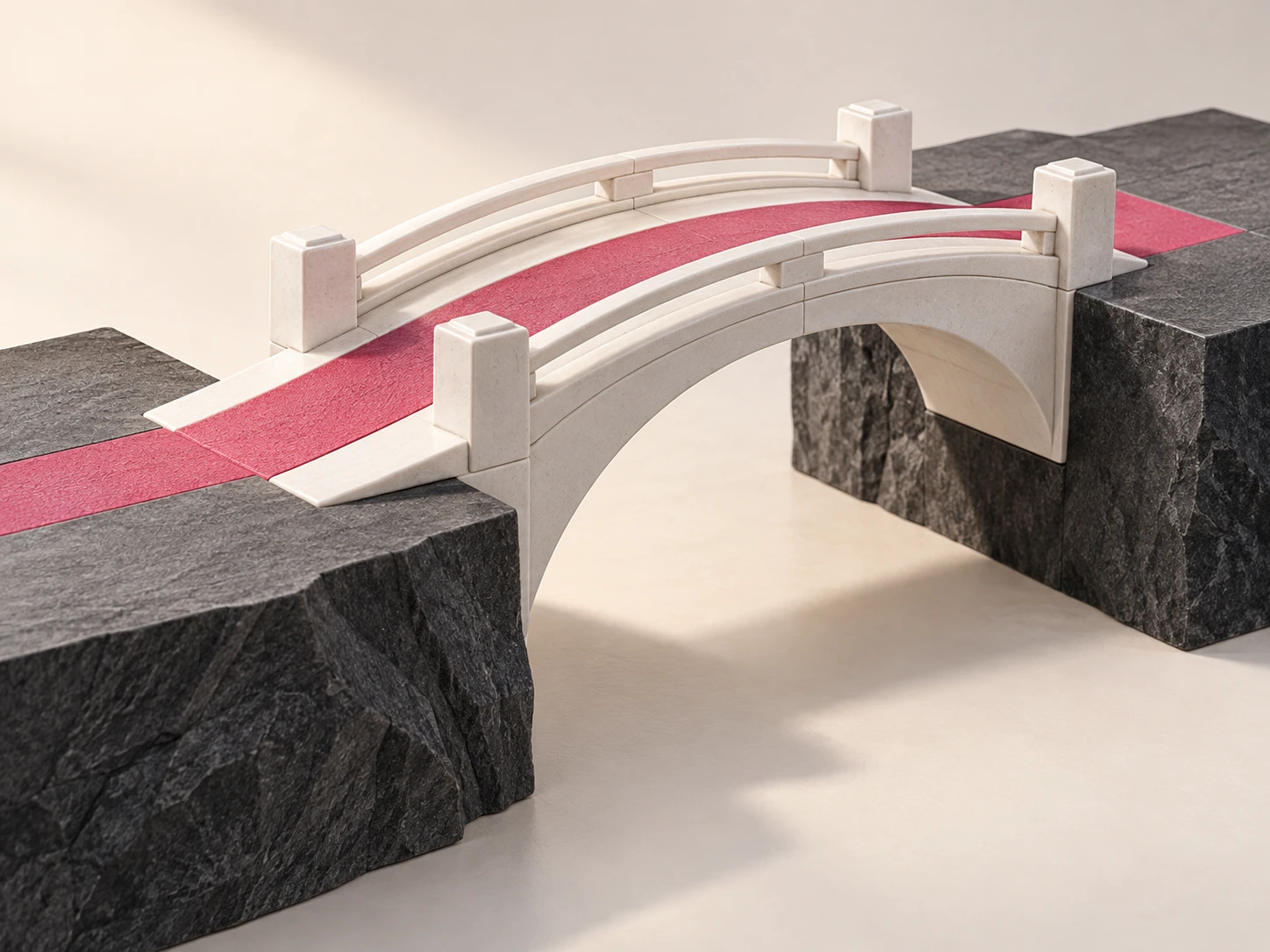
Completed ceramic bridge joining two graphite platforms

WEB
DIGITAL EXPERIENCES
UX
USABILITY + DESIGN
TECH
FEASIBILITY + EXECUTION

Ceramic lens highlighting a critical structural connection

06 / WHAT I LEARNED

KNOW ENOUGH TO
ASK BETTER QUESTIONS.

Leaders don’t need to be the best designer, developer, strategist, or technologist in the room.

But understanding the disciplines changes the questions you ask, the risks you recognize, the people you involve, and the decisions you make.
Technical depth is most valuable when it improves judgment.

NEXT CASE STUDY

CANALE
COMMUNICATIONS.

How a digital capability grew from zero into a multidisciplinary team of roughly ten designers and developers producing more than 100 websites and award-winning work.
VIEW CASE STUDY →

BETTER.

THE NEXT CONVERSATION

HAVE A GOOD TEAM?A HARD PROBLEM?AN IDEA WORTH BUILDING?

If you’re building a team, evolving a digital experience, or trying to make good people more capable, I’d like to hear what you’re working on.