RESEARCH CONNECTIONS / LEADERSHIP STORY

SEND IT TO
JEREMIAH.

What started as visual survey work grew into complex programming, reusable systems, UX leadership, AI-assisted problem solving, and becoming the person people called when the request didn’t fit the usual playbook.

2020–PRESENT   /   4+ PLATFORMS   /   TRUSTED PROBLEM SOLVING

Conceptual illustration of tangled ribbons becoming a clear path through a central junction

The hard requests became the opportunity.
01 / THE STORY

IT STARTED WITH
THE EXPERIENCE.

When I began working with Research Connections, my role was primarily visual: designing survey experiences and helping research feel more polished, usable, and intentional.

As I learned the platforms and the logic behind the work, the requests became more technical. Programming, custom interactions, complex routing, debugging, workflow problems, and unusual client requirements gradually became part of the job.

Over time, I became the person people turned to when the request didn’t have an obvious answer.

The work changed because the trust changed.

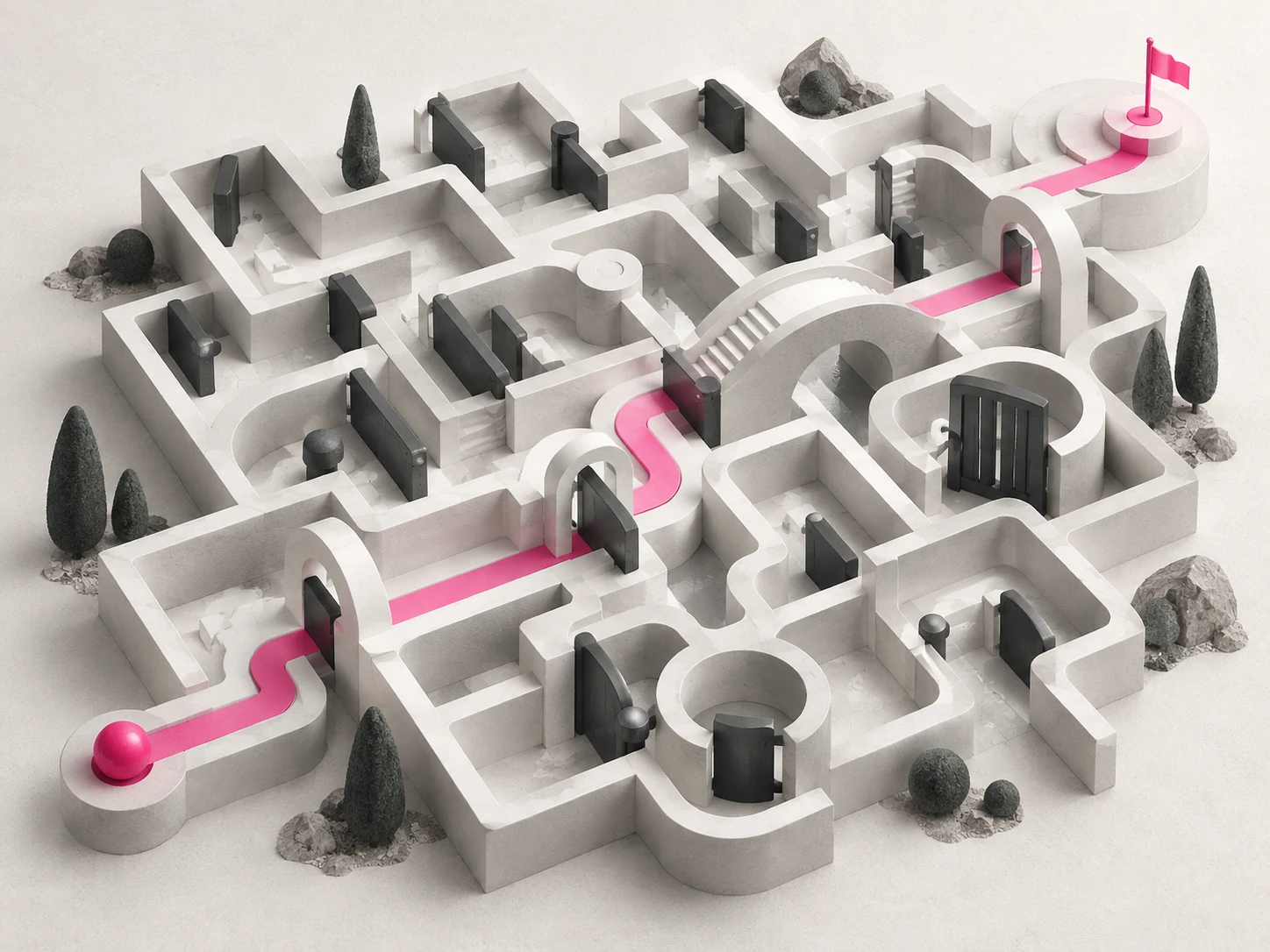
Conceptual illustration of a pink route through a branching architectural maze

02 / THE CHALLENGE

MORE THAN
A SURVEY.

Research projects move quickly. Every study brings its own logic, platform limitations, participant experience, client requirements, and edge cases.

The hardest requests are often unusual enough that there isn’t a clean recipe. The challenge wasn’t simply making one survey work. It was solving difficult problems without slowing the research team down, then finding ways to make the next problem easier.

03 / WHAT I SAW

THE EDGE CASES
WERE THE WORK.

Every difficult request was also an opportunity to improve the system.

Instead of treating each edge case as a one-off, I looked for reusable patterns: functions, question types, interface behaviors, QA checks, and better ways of approaching similar problems in the future.

The more repeatable the solution became, the more value it created beyond a single project.

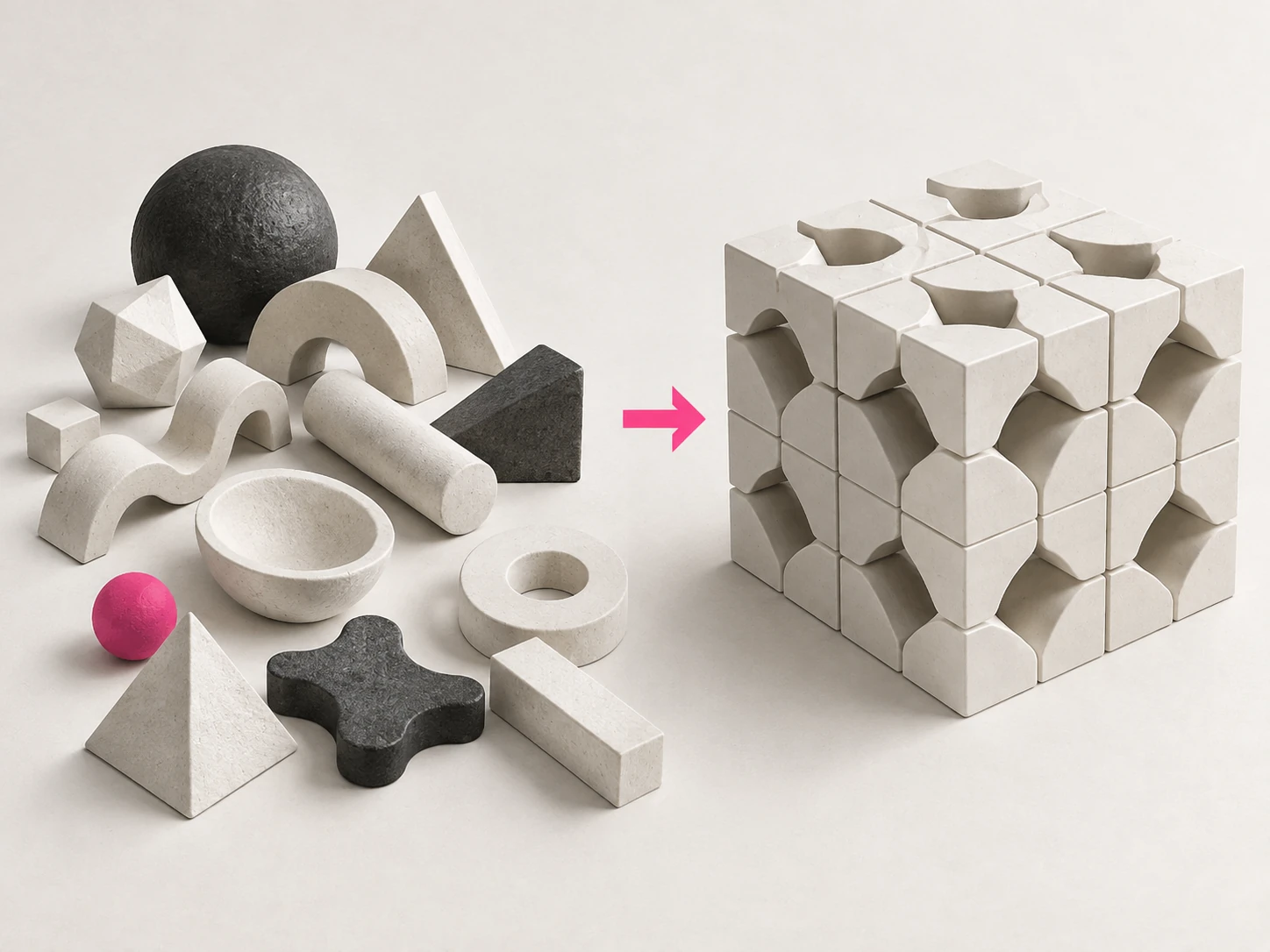
Conceptual illustration of varied components becoming an organized modular system

04 / WHAT I DID

BECAME THE
GO-TO.

I expanded beyond execution into reusable systems, UX guidance, technical troubleshooting, workflow improvement, and strategic support.

I built a library of repeatable functions and question types, helped teammates think more intentionally about usability and participant experience, and became a sounding board for difficult technical and business decisions.

I also brought AI into research, development, troubleshooting, ideation, content, and QA as a force multiplier for good judgment rather than a replacement for it.

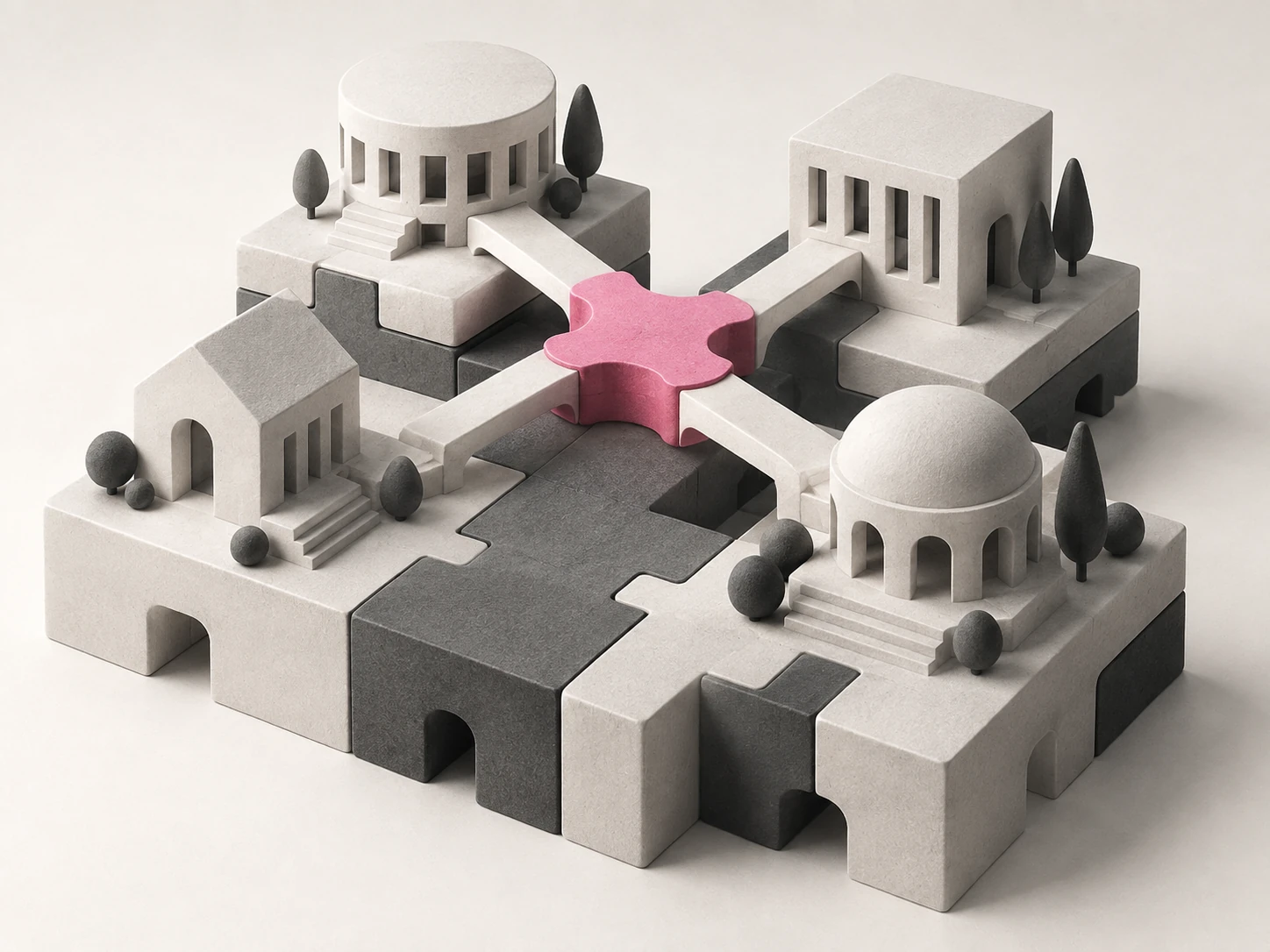
Conceptual illustration of connected structures supported by a shared modular foundation

SOLVING AT SCALE

HARD PROBLEMS. REUSABLE SYSTEMS.
BETTER EXPERIENCES.

The goal wasn’t just to solve the request in front of me. It was to make the team more capable the next time a similar problem appeared.

01

SOLVE THE HARD THING

Take on custom interactions, routing logic, debugging, and unusual requirements when the standard platform options aren’t enough.

02

MAKE IT REUSABLE

Turn one-off solutions into functions, question types, patterns, and tools the team can use again instead of solving the same problem twice.

03

IMPROVE THE EXPERIENCE

Bring a designer’s eye to survey UX, interface behavior, accessibility, visual hierarchy, and the participant journey.

04

EXPAND THE VALUE

Support leadership with workflow improvement, marketing, growth, AI, and strategic problem solving beyond the original project brief.

05 / THE OUTCOME

TRUST
COMPOUNDS.

The work grew from visual survey support into a broad digital and strategic role spanning programming, UX, reusable systems, AI, workflow improvement, and leadership support.

That included supporting research initiatives for major global brands such as Amazon, Apple, and Google, while also making difficult requests easier to solve, explain, and repeat internally.

The most meaningful outcome wasn’t a single project. It was becoming someone the team trusted when the answer wasn’t obvious.

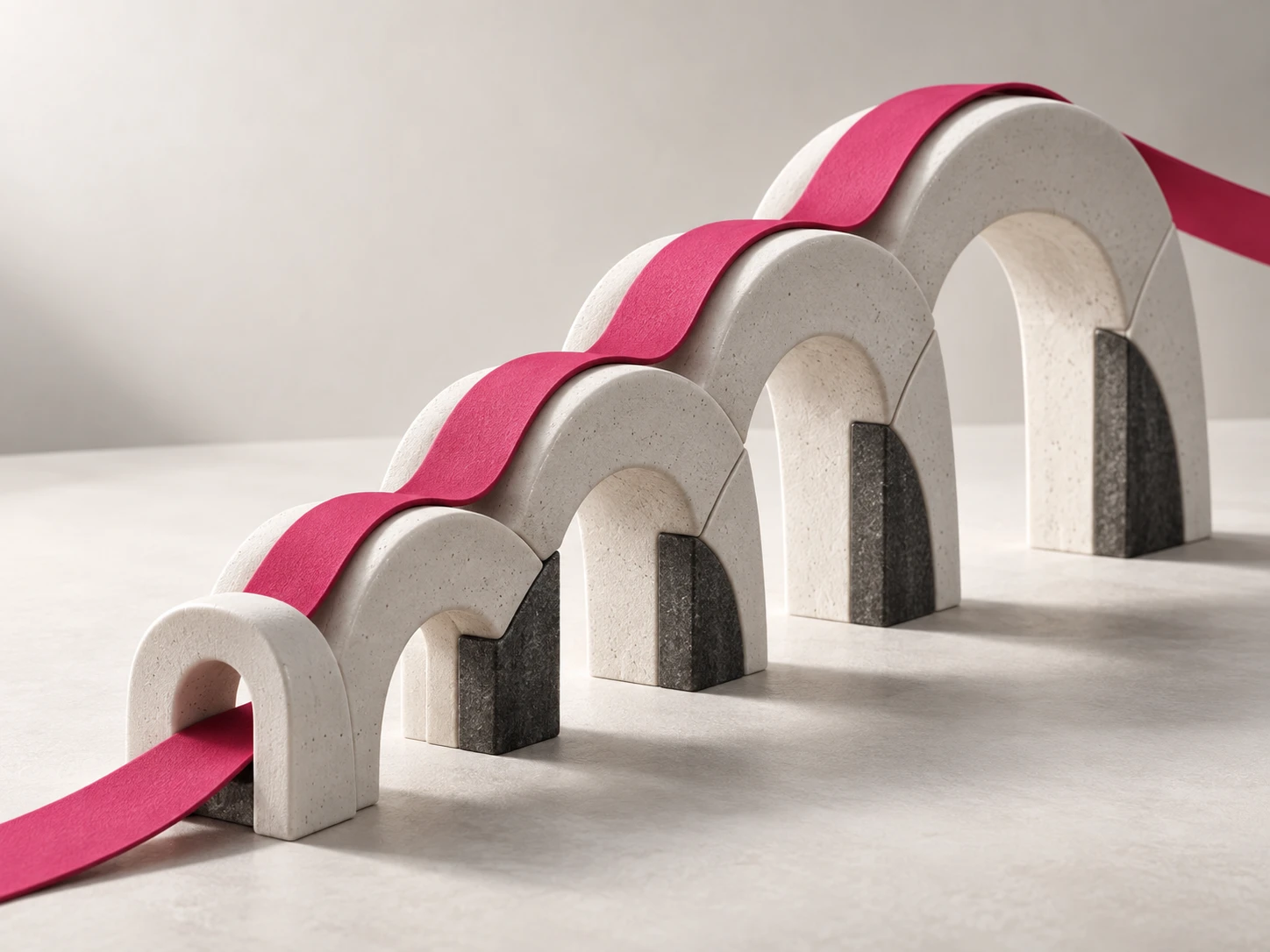
Conceptual illustration of growing ceramic arches connected by a continuous pink ribbon, representing accumulated trust

2020→
ONGOING PARTNERSHIP
4+
PLATFORMS
GO-TO
HARD REQUESTS

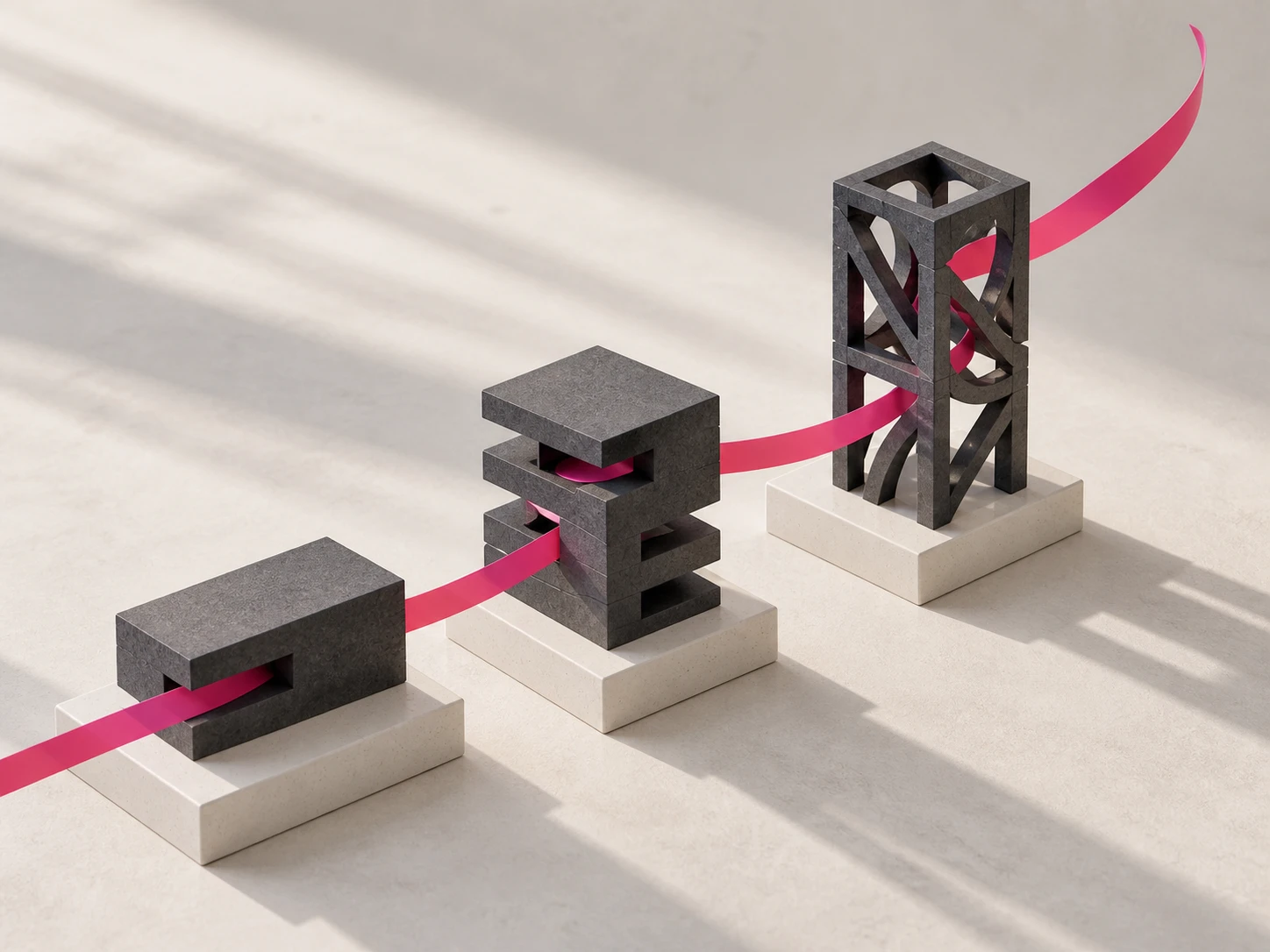
Conceptual illustration of a pink ribbon finding its way through increasingly complex graphite structures

06 / WHAT I LEARNED

THE PROBLEMS
TELL THE STORY.

A job description tells you where someone was expected to contribute. Trust tells you where they actually became valuable.

As the requests became more difficult and ambiguous, my role continued to expand because people knew I would find a way through the problem.

The title tells people where you started. The problems they trust you with tell you what you’ve become.

NEXT CASE STUDY

MILLENNIUM
HEALTH.

Strategy, feasibility, UX, and execution inside a fast-moving healthcare organization where good digital decisions required understanding both the idea and the work needed to build it.

VIEW CASE STUDY →

BETTER.

THE NEXT CONVERSATION

HAVE A GOOD TEAM?A HARD PROBLEM?AN IDEA WORTH BUILDING?

If you’re building a team, evolving a digital experience, or trying to make good people more capable, I’d like to hear what you’re working on.